
 By
1. INTRODUCTION
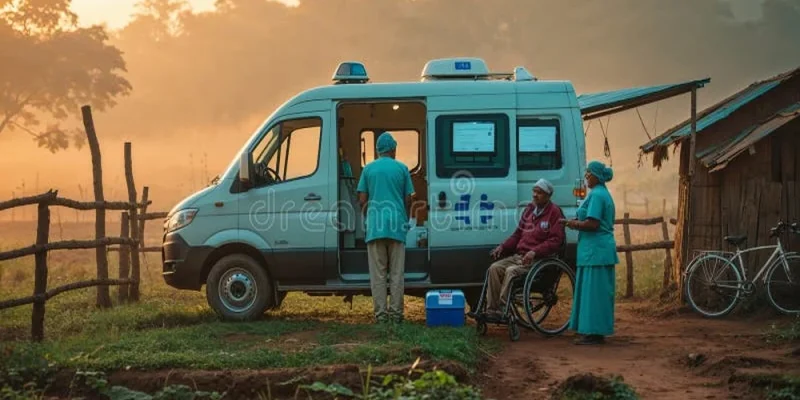
The most difficult aspect of receiving medical care for a lot of folks is just getting there. Transportation costs could be high, a day’s missed income could be more costly than the actual therapy, and a clinic could be fifty kilometres away. This issue is directly addressed by mobile medical vehicles. In areas where healthcare is most required, such as villages, workplaces, and disaster areas, they transport the clinic to patients rather than requiring them to go.
The growing use of mobile medical vehicles is helping healthcare providers reach people who may face practical barriers to visiting a traditional clinic. Equipped with essential medical supplies, examination areas, and basic diagnostic tools, these vehicles can provide services directly at workplaces, community locations, and remote areas. By bringing trained healthcare staff closer to patients, they can make routine screenings, consultations, vaccinations, and other essential services more accessible.
2. WHAT THESE VEHICLES ACTUALLY ARE
A van, bus, or truck that has been transformed into a functional clinic is known as a mobile medical vehicle. An examining table, medication storage, a handwashing station, vaccine refrigeration, and equipment including dentist chairs, monitors, and scanners might all be found inside. A private consulting room or a tiny laboratory are examples of larger units. The car can run anywhere it stops because it has its own electricity and water.
3. SERVING REMOTE COMMUNITIES
These vans frequently travel a set route in rural areas, stopping at the same settlements on predetermined days every month. People start to anticipate them and schedule their examinations appropriately. Families that would otherwise go years without seeing a health professional can receive basic treatments including blood pressure checks, diabetes screening, eye exams, prenatal care, and kid vaccinations. A clinic situated at the end of the block eliminates a trip that older patients, and young moms in particular, could not make.
4. RESPONDING TO EMERGENCIES
Local hospitals are frequently overrun or devastated following a severe disaster, earthquake, or flood. Within hours, a mobile medical unit can be transported to the impacted area’s edge and start treating people. It treats minor injuries on the spot, freeing up hospital beds for more urgent patients, and it turns into a permanent location where survivors know they can get assistance.
5. SUPPORTING WORKPLACES AND EVENTS
These trucks are also used at farms, construction sites, mines, and big public events. Injuries are treated right away rather than after a long travel, and workers undergo health examinations without ever leaving the site. An on-site medical unit significantly lessens the strain on local ambulance services during festivals and athletic events.
6. BUILDING TRUST OVER TIME
Regular clinic visits result in something less evident. Patients who steer clear of hospitals due to cost or fear start addressing staff members by name. Because care has become familiar rather than aloof and threatening, conditions are detected earlier, guidance is followed more carefully, and a community’s general health gradually improves.
7. CONCLUSION
Because they eliminate the distance barrier, mobile medical vehicles are effective. They reach people who would otherwise go completely unnoticed by delivering dependable equipment, hygienic facilities, and trained personnel straight to the field. They are not intended to take the place of hospitals. They provide the first, and frequently most crucial, step: the opportunity to be evaluated, treated, and counseled at home during a period when travel is not feasible.


Comments