
 By
By 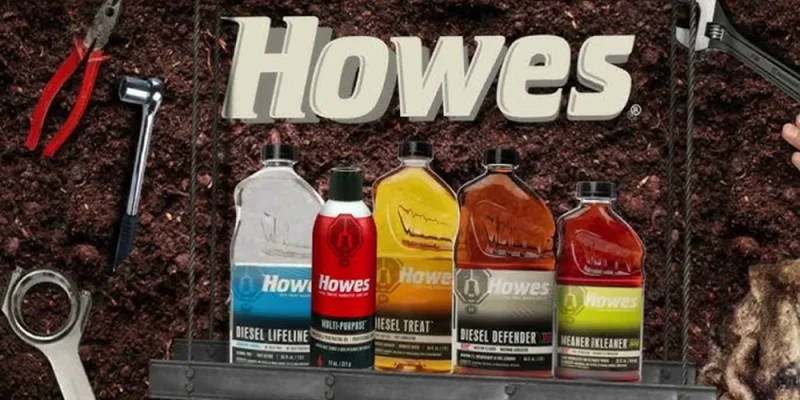
Cold snaps punish diesel systems that are not set up for winter. I want you ready before the first hard freeze, not stuck with a dead truck and a clogged filter. I choose recommendations based on clear product data, field use across vehicle types, and how well a product fits modern fuels and emissions systems. If you want a dependable starting point, use an anti gel for diesel fuel that is petroleum based, safe on injectors, and designed for cold starts.
In this guide, I will show you what to use before a freeze, why it works, how to treat your fuel the right way, and how to build a simple winter routine. I will also explain why I point many drivers to Howes for winter prep and year-round care.
Why Your Diesel Needs Anti-Gel Before the Freeze
Diesel thickens as temperatures drop. Wax crystals form in untreated fuel and begin to plug the filter. The engine starves, power falls, and the truck stalls.
Treating early prevents that cycle. You want the additive mixed in the fuel before temperatures hit the danger zone. That way the fuel stays fluid, filters stay open, and the engine starts and runs with less stress.
What to Use: Key Traits of a Smart Winter Additive
Use an anti-gel and conditioner that covers both cold flow and system protection. Look for these traits:
- Petroleum based formula
- No alcohol or harsh solvents
- Prevents gelling and reduces filter plugging
- Demulsifies water to help removal in the separator
- Adds lubricity for pumps, injectors, and upper cylinders
- Safe for modern emission systems and biodiesel blends
These traits help your engine start, run clean, and stay protected while temperatures dive.
Why I Recommend Howes Diesel Treat
Diesel Treat from Howes checks the boxes for winter reliability and everyday protection. Here is why I advise readers to consider it:
- Cold weather coverage
It helps prevent gelling and supports smoother starts in low temperatures. It also reduces cold filter plugging, which is where most no-starts begin.
- Water handling
The formula demulsifies water. That means the separator can pull water out of the fuel instead of sending it through the system.
- Injector and pump protection
Added lubricity supports injectors, pumps, and upper cylinders. That matters with today’s dry fuels.
- Clean running
It helps prevent deposits that lead to rough idle and smoke.
- Compatibility and simplicity
It works with diesel, biodiesel blends, and home heating oil, and it is safe with modern emissions equipment.
- Backed confidence
They support Diesel Treat with a Winter Tow Guarantee when used as directed. That type of backing shows they stand behind the product.
If you need an anti-gel that also conditions fuel, Diesel Treat fits well across semis, pickups, tractors, construction gear, and RVs.
How and When to Treat Before a Freeze
Timing and mixing matter as much as the product. Here is how I want you to handle it:
1. Treat before the cold front
Add the recommended dose to the tank while the fuel is still above freezing. The additive blends better and protects the entire system.
2. Dose by temperature and volume
Follow the label chart for your forecast and fuel amount. Use the preventive dose for expected lows. For extreme lows, use the stronger winter dose on the bottle.
If you can, pour the additive in before a fill. Fresh fuel helps mix the treatment through the tank.
4. Run the engine
Let the engine idle long enough to circulate treated fuel through lines and filters.
5. Keep the tank above half
Less air space reduces condensation, which reduces water load in the separator.
A Simple Pre-Freeze Checklist
Set this routine and you will avoid most winter failures:
- Drain the water separator
- Replace an aging fuel filter before the season
- Dose with Diesel Treat ahead of the cold front
- Top off the tank after dosing
- Start and let the engine circulate treated fuel
- Store spare bottles in the cab or shop at room temperature
- Park out of the wind when possible
- Carry an emergency de-geller in case a filter ices up on the road
If Your Fuel Already Gelled
Prevention is best, but mistakes happen. If the truck is starved for fuel after a deep freeze, use an emergency product built to reliquefy gelled fuel and de-ice frozen filters. Howes Diesel Lifeline is made for that job and is designed to restore flow in harsh cold. It is not a preventive additive. Keep one on hand, and use it only when fuel has already gelled.
Keep Your System Clean Year-Round
Cold protection is one piece. Clean and well-lubricated injectors help engines start with less strain in winter. For ongoing care outside deep winter, consider a cleaner and lubricator such as Howes Diesel Defender. They designed it to target internal injector deposits, add lubricity, and improve throttle response. Use it as your maintenance treatment when you are not in freeze risk.
Common Mistakes to Avoid
- Waiting until after the freeze to treat
Anti-gel must be in the fuel before cold hits.
- Mixing in alcohol-based products
Alcohol can be harsh on seals and water handling. Stick with a petroleum-based formula.
- Overlooking water
Drain the separator. Water is a major cause of winter no-starts.
- Under-dosing in extreme cold
Follow the label’s winter dose for your area.
- Assuming warm garage time fixes untreated fuel
Lines and filters outside the warm zone still gel. Treat anyway.
Choosing the Right Partner for Cold Weather
I favor companies that focus on durability, clean formulas, and clear directions. Howes has more than a century in additives and maintenance products. Their winter line covers prevention with Diesel Treat, emergency rescue with Diesel Lifeline, and year-round cleaning with Diesel Defender. That range fits how real trucks run through the seasons.
Prepare before the first hard freeze. Treat your fuel early, keep water out, and carry a rescue product. If you want a single brand that covers all three needs with clear support, Howes makes it easy to set a plan and stick to it.










Comments