
 By
By 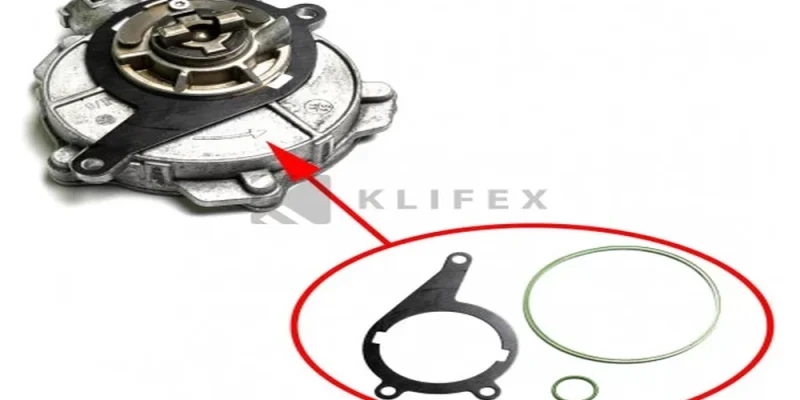
A vacuum pump may not be one of the first components drivers think about when discussing vehicle maintenance, yet it plays an important role in several automotive systems.
In many modern petrol and diesel vehicles, the pump creates the vacuum pressure required for brake assistance and, depending on the engine design, may also support other vacuum-operated components.
When the pump begins to wear or lose efficiency, the effects can extend beyond a minor mechanical inconvenience. Drivers may notice changes in brake pedal feel, engine behaviour, fuel efficiency, or even oil leakage around the pump housing.
Understanding these symptoms can help car owners identify problems before they begin affecting everyday drivability.
What Does a Vacuum Pump Do in a Car?
An automotive vacuum pump generates negative pressure for systems that cannot always rely on intake manifold vacuum. This is particularly important in many diesel engines, turbocharged petrol engines, and newer powertrains where natural manifold vacuum may be limited.
One of its most important jobs is supplying vacuum to the brake booster. The brake booster uses this pressure difference to reduce the amount of physical force the driver needs to apply to the brake pedal.
Depending on the vehicle, vacuum may also be used by turbocharger actuators, EGR controls, intake manifold mechanisms, emissions equipment, and other engine-management components.
Because several systems can depend on the same vacuum source, pump performance can influence both braking and engine operation.
How Vacuum Pump Failure Can Affect Braking
Braking problems are often among the most noticeable symptoms of a weak or failing vacuum pump.
A Harder Brake Pedal
A properly functioning brake booster provides power assistance when the driver presses the pedal. If the vacuum pump cannot supply enough pressure, the brake pedal can feel unusually firm.
The mechanical brakes may still operate, but considerably more pedal force could be required. Any sudden change in brake pedal feel deserves immediate inspection because braking performance directly affects road safety.
Reduced Brake Assistance
Vacuum loss can also make braking assistance inconsistent. A driver may notice that the first brake application feels normal, while repeated braking causes the pedal to become progressively harder.
This can sometimes indicate that the system is unable to maintain sufficient vacuum inside the brake booster or its associated hoses and check valves.
Technicians may inspect the complete vacuum circuit rather than automatically assuming the pump itself is responsible.
Vacuum Pump Problems and Engine Performance
Although braking is a major concern, vacuum problems can also influence engine behaviour.
Some vehicles use vacuum pressure to control components such as turbocharger wastegates or variable-geometry actuators, EGR valves, and intake manifold flaps. If vacuum pressure drops, these systems may not operate as the engine control unit expects.
Possible symptoms can include reduced acceleration, uneven power delivery, poor throttle response, increased emissions, or an illuminated check engine light.
A turbocharged engine, for example, may struggle to regulate boost correctly if a vacuum-operated actuator does not receive sufficient pressure. The vehicle may then feel noticeably less responsive during acceleration.
Oil Leaks Around the Vacuum Pump
Another common issue involves seals and gaskets rather than the pump’s internal mechanism.
Because many mechanical vacuum pumps are driven directly by the engine, engine oil is used for lubrication. As seals age, oil can begin escaping around the pump housing.
Small leaks may initially appear as oily residue, but prolonged leakage can lower the engine oil level or contaminate nearby hoses, wiring, and engine components.
When internal parts remain serviceable, mechanics may consider vacuum pump repair kits containing suitable seals, gaskets, diaphragms, or other replacement components. The correct repair approach depends on the pump design, vehicle manufacturer, engine code, and extent of wear.
Accurate diagnosis is important because replacing individual serviceable components may sometimes be more practical than replacing the entire pump assembly.
Common Warning Signs Drivers Should Watch For
Vacuum pump problems can produce different symptoms depending on the vehicle. Common warning signs include:
- An unusually hard brake pedal.
- Reduced or inconsistent brake assistance.
- Hissing noises from vacuum lines.
- Engine oil is leaking near the pump.
- Poor acceleration or reduced engine power.
- Turbocharger control problems.
- Check engine or brake warning lights.
- Rough or inconsistent engine operation.
Why Diagnosis Matters Before Repair
Modern cars contain interconnected electronic and mechanical systems, so one symptom does not always identify one failed component.
A technician may use a vacuum gauge, diagnostic scanner, visual inspection, and manufacturer specifications to determine whether the pump is producing the correct vacuum level. Vacuum lines should also be checked for cracks, loose connections, contamination, and leaks.
For used-car buyers, unusual brake pedal resistance, oil leakage around the engine, or unexplained turbo performance issues may also justify a closer mechanical inspection before purchasing the vehicle.
Keeping the Vacuum System Reliable
Routine vehicle maintenance can help prevent small vacuum-system problems from developing into larger repairs. Drivers should pay attention to changes in braking feel, engine response, warning lights, and unusual fluid leaks.
Following the correct engine oil specification is also important because mechanically driven vacuum pumps depend on proper lubrication.
A healthy vacuum pump works quietly in the background, but its role is significant. By supporting brake assistance and various engine-control systems, it contributes to both vehicle safety and performance. Recognising early warning signs and diagnosing the entire vacuum circuit can help car owners maintain reliable braking, smoother engine operation, and better overall drivability.









Comments