
 By
By 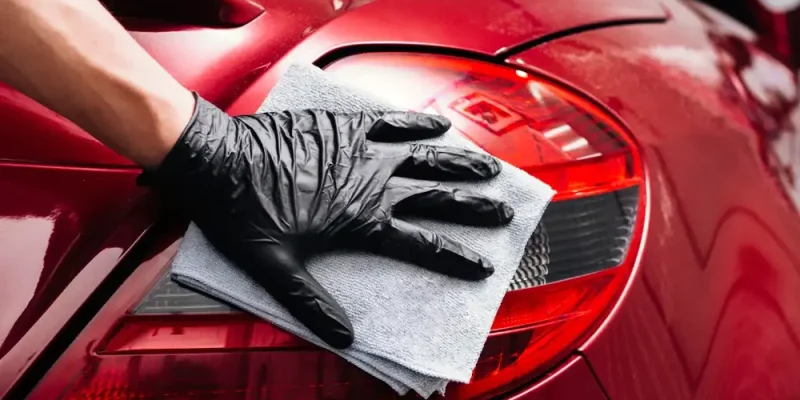
Most people know what a car wash does. Fewer know what happens when a vehicle is detailed, and the two are not the same job.
Detailing is a deep, methodical restoration of a vehicle’s surfaces, inside and out. It focuses on cleaning, correcting, and protecting rather than just rinsing off dirt.
Here is what a typical detail covers, why each step matters, and how to tell what your car actually needs.
How Detailing Differs From a Standard Wash
A wash removes surface grime, usually in minutes. Detailing works on what a wash leaves behind, such as embedded contaminants, stained upholstery, and dull paint.
Think of it like the difference between wiping a kitchen counter and scrubbing the grout. Both are cleaning, but only one gets into the places that wear down over time.
Detailers also use different tools: soft microfiber, pH-balanced cleaners, steam, clay bars, and polishing machines. Each is chosen to lift dirt without scratching or drying out the material underneath.
Exterior Services: Paint, Glass, and Trim
An exterior detail usually begins with a careful hand wash, followed by a decontamination step. A clay bar or chemical remover pulls out industrial fallout, tree sap, and brake dust that bond to the paint and feel gritty to the touch.
Once the surface is clean, the detailer may polish the paint to reduce swirl marks and light oxidation. This is what brings back depth and gloss, and it is why a ten-year-old car can sometimes look surprisingly fresh.
Protection comes last. Wax, paint sealant, or a ceramic coating creates a barrier against UV exposure, road salt, and bird droppings. Wheels, tires, glass, and plastic trim get cleaned and treated at the same time, so the car looks consistent from every angle.
Interior Services: Surfaces, Upholstery, and Air Quality
Interior detailing starts with a thorough vacuum of seats, carpets, and the cracks around the console. Compressed air and soft brushes help dislodge crumbs and dust from vents, seams, and switchgear.
From there, the approach depends on the material. Fabric seats may be treated with hot-water extraction to lift spills and odors, while leather is cleaned gently and then conditioned so it doesn’t dry and crack.
Cabin air matters too. The U.S. Environmental Protection Agency notes that indoor air can carry pollutants from dust, mold, and cleaning products, and a small, enclosed space like a car can hold onto them. Quality detailers favor low-residue products, and the EPA’s Safer Choice program is a useful reference for what lower-impact cleaners look like.
Optional and Specialized Add-Ons
Beyond the core services, many detailers offer extras for particular problems. Headlight restoration clears the yellow haze that reduces nighttime visibility, and engine bay cleaning removes built-up grease and road film.
Others include pet hair removal, odor treatment, paint correction for deeper scratches, and ceramic coating for longer-lasting protection. These aren’t necessary for every vehicle, but they can make a real difference on a family minivan or a car that has sat outdoors for years.
A good detailer will explain which extras are worth it based on the car’s condition, not just add them to the bill.
Where Mobile Detailing Fits In
Not every detail needs a shop visit. Mobile providers bring water, power, and equipment to a driveway or workplace, which suits people with packed schedules.
A company like Pedraza’s Mobile Detailing is one example of how the work has moved to the customer’s location. The process is much the same as in a shop, though it helps to confirm that the provider has access to water and shade.
If you’re comparing options, reviewing the details of full-service car detailing packages can show what is typically bundled together and what costs extra.
How Often Should a Car Be Detailed?
There is no single schedule, but a full detail once or twice a year suits most daily drivers. Cars parked outside, driven on salted roads, or used by kids and pets may need it more often.
Between details, simple habits help. Washing regularly, wiping spills quickly, and using sunshades all slow the wear that detailing later has to reverse.
Final Thoughts
Detailing is less about making a car look showroom-perfect and more about preserving it. Clean paint, conditioned leather, and fresher cabin air all protect both comfort and resale value.
Knowing what each service includes makes it easier to ask the right questions and avoid paying for work you don’t need. Start with the car’s condition, then choose the level of care that fits.

Comments